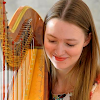
Why Learning the Harp Could Be the Perfect Musical Journey for Your Child
Discover the Benefits of Harp Lessons for Children in Perth
When most parents think about music lessons for their child, instruments like the piano, guitar, or violin often come to mind. But there is another beautiful instrument that deserves attention: the harp.
With its magical sound, elegant appearance, and unique learning experience, the harp offers children an opportunity to develop musical skills, confidence, focus, and creativity in a truly special way.
If you're considering music lessons for your child in Perth and wondering whether the harp could be the right fit, this guide will help you understand the benefits, challenges, and opportunities that come with learning this extraordinary instrument.
What Is a Harp?
The harp is one of the oldest musical instruments in the world, with a history dating back thousands of years.
Unlike instruments such as the guitar, which require strumming or picking strings against a fretboard, the harp produces sound by plucking individual strings that are stretched vertically across a frame.
Modern harps come in various sizes, making them suitable for both children and adults.
Fascinating Facts About the Harp
It Is One of the World's Oldest Instruments
Archaeologists have discovered evidence of harps being played as far back as 3000 BCE. The instrument has appeared in cultures across Europe, Africa, Asia, and the Middle East.
Harps Have Up to 47 Strings
A full-sized concert harp typically contains 47 strings, allowing musicians to play a wide range of notes and musical styles.
It Uses Both Hands Equally
Unlike some instruments where one hand takes a dominant role, harpists use both hands extensively. This promotes coordination and balanced motor development.
It Creates a Naturally Relaxing Sound
The harp's gentle and soothing tone is often used in relaxation, meditation, and therapeutic settings because of its calming effect.
Why Should Children Learn the Harp?
Builds Confidence
Learning any instrument helps children gain confidence, but the harp often creates a particularly rewarding experience because beginners can produce beautiful sounds relatively quickly.
Even simple melodies can sound impressive, giving children a sense of achievement early in their musical journey.
Improves Focus and Concentration
Playing the harp requires children to:
Read music
Watch hand positions
Listen carefully to pitch and rhythm
Coordinate both hands simultaneously
These skills strengthen concentration and attention to detail, which can benefit children in school and everyday life.
Develops Fine Motor Skills
Research consistently shows that learning a musical instrument supports fine motor development.
Because harpists use individual fingers to pluck strings with precision, children develop finger strength, dexterity, and hand control.
Encourages Creativity
Music provides an outlet for self-expression.
Children who learn the harp often explore different styles of music, create their own arrangements, and develop artistic confidence that extends beyond music lessons.
Supports Brain Development
Numerous studies have found connections between music education and cognitive development.
Research published by the National Association for Music Education suggests that musical training can support:
Memory
Language processing
Problem-solving skills
Executive functioning
While music is not a shortcut to academic success, it can positively contribute to a child's overall development.
How Does the Harp Compare to Other Instruments?
Harp vs Guitar
The guitar remains one of the most popular instruments for children due to its versatility and portability.
However, the harp offers several unique advantages:
Harp
Produces beautiful sounds early on
Encourages two-handed independence
Unique and less common
Distinctive visual appeal
Guitar
Can take longer to produce clean notes
Often begins with simpler hand coordination
Widely available and popular
Highly versatile across genres
Both instruments are excellent choices, and the best option depends on your child's interests and personality.
Harp vs Piano
While piano lessons are often considered a traditional starting point, the harp provides a similarly strong musical foundation while offering a unique playing experience that many children find inspiring.
What Type of Child Might Enjoy the Harp?
The harp can be a wonderful fit for children who:
Love beautiful, gentle sounds
Enjoy creative activities
Have patience and attention to detail
Like standing out from the crowd
Are interested in classical, folk, Celtic, or contemporary music
That said, children do not need any special musical talent to begin learning.
Curiosity and willingness to learn are far more important than natural ability.
Common Challenges When Learning the Harp
Access to an Instrument
One concern parents often have is access to a harp at home.
Many music schools offer rental options or guidance on purchasing beginner-friendly harps that are smaller and more affordable than professional concert harps.
Finger Discomfort
Like guitar players developing calluses, beginner harpists may experience mild finger sensitivity as they build strength.
This is normal and usually improves quickly with regular practice.
Learning Coordination
Using both hands independently can initially feel challenging, but with consistent lessons and practice, most children adapt surprisingly quickly.
Can Children Learn the Harp on Their Own?
Technically, yes.
There are online tutorials, videos, and self-teaching resources available.
However, most children progress much faster with guidance from an experienced teacher.
A teacher can help with:
Proper hand positioning
Technique development
Reading music
Building confidence
Avoiding bad habits
For younger children especially, structured lessons provide encouragement, accountability, and a clear learning pathway.
Practical Tips for Parents
Start with a Trial Lesson
A trial lesson allows your child to experience the instrument before making a long-term commitment.
Focus on Enjoyment First
Children who enjoy music lessons are more likely to continue learning over time.
Encourage Short Practice Sessions
Consistency matters more than duration.
Even 10–15 minutes of focused practice can make a significant difference.
Celebrate Progress
Rather than focusing only on results, celebrate effort, perseverance, and small milestones.
Frequently Asked Questions
What age can a child start learning the harp?
Many children can begin harp lessons from around 5–7 years old, depending on their size, attention span, and readiness.
Is the harp difficult to learn?
Like any instrument, it takes practice. However, many beginners find it rewarding because they can create beautiful sounds relatively quickly.
Do I need to buy a full-sized harp?
No. Beginner and lever harps are available in smaller sizes that are suitable for children.
Can harp players perform modern music?
Absolutely. While often associated with classical music, harpists can play contemporary, folk, Celtic, pop, and even film music.
Is the harp more expensive than the guitar?
Professional harps can be expensive, but many beginner instruments and rental options make learning accessible for families.
Final Thoughts
The harp is a beautiful, rewarding instrument that offers far more than musical skills. It helps children develop confidence, creativity, coordination, concentration, and a lifelong appreciation for music.
While instruments like the guitar and piano remain popular choices, the harp offers a unique and memorable musical experience that allows children to stand out while building valuable life skills.
If your child is curious about music and loves the enchanting sound of the harp, there has never been a better time to explore this remarkable instrument.
Book a Trial Lesson
Wondering whether the harp is the right fit for your child?
The best way to find out is through a trial lesson.
A trial lesson gives your child the opportunity to experience the instrument, meet their teacher, and discover the joy of making music in a supportive environment.
Book a trial lesson today and let your child's musical journey begin.